
ACL Reconstruction Surgery in Ajman: Restore Knee Stability & Return to Sport
Minimally Invasive Arthroscopic ACL Reconstruction | Same-Day Surgery | 85–95% Success Rate
Dr. Ahmed Azmy provides advanced arthroscopic ACL reconstruction using precise graft placement and minimally invasive techniques. With extensive experience in knee ACL reconstruction, he develops personalized surgical plans tailored to your activity level, sport demands, and long-term goals. Most procedures are performed as same-day surgery, allowing faster recovery, reduced tissue trauma, and structured rehabilitation through a proven ACL reconstruction protocol.
Whether your injury occurred during sports or daily activity, expert ACL reconstruction surgery ensures optimal stability, reduced risk of re-injury, and a confident return to movement.
What Is ACL Reconstruction?
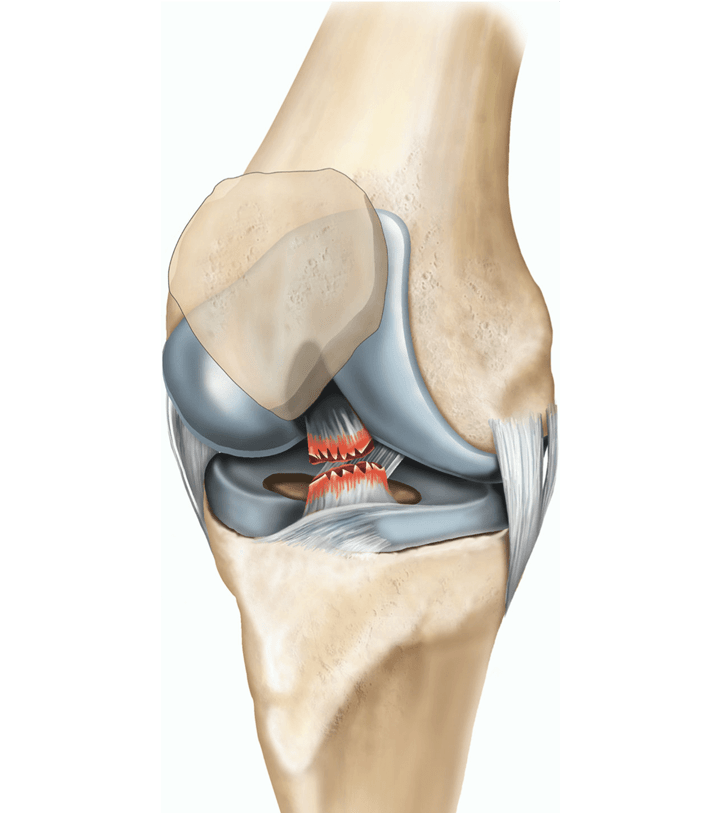
What is ACL reconstruction? ACL reconstruction is a surgical procedure that replaces a torn anterior cruciate ligament with a tendon graft. Unlike ligament repair, ACL reconstruction surgery rebuilds the ligament using autograft or allograft tissue that is fixed inside bone tunnels within the femur and tibia. Over time, the graft undergoes biological incorporation and functions as a stabilizing structure similar to the native ACL. The primary goal of knee ACL reconstruction is to restore rotational control, prevent recurrent instability, reduce meniscal damage risk, and protect cartilage health.
ACL deficiency leads to abnormal knee biomechanics. Repeated instability episodes increase the risk of secondary meniscus injury and early osteoarthritis. For active individuals, especially athletes involved in cutting and pivoting sports, ACL reconstruction surgery remains the gold standard treatment.
When Is ACL Reconstruction Needed?
|
Indication
|
Clinical Scenario
|
|---|---|
|
Complete ACL Tear
|
Persistent instability affecting sport or daily life
|
|
Recurrent Giving‑Way
|
Failure of structured conservative treatment
|
|
High‑Demand Athlete
|
|
|
Combined Injury
|
ACL reconstruction and meniscus repair required
|
Early ACL reconstruction may be recommended to prevent progressive cartilage damage. In selected lower‑demand patients, non‑surgical treatment may be considered, but instability often persists.
Preparation Before ACL Reconstruction Surgery
Careful preoperative preparation is essential for successful ACL reconstruction surgery. Optimizing knee condition and overall health before surgery helps enhance outcomes and supports a faster rehabilitation process.
Before ACL reconstruction surgery, preparation includes:
Arthroscopic ACL Reconstruction
Arthroscopic ACL reconstruction is performed using small incisions and a high‑definition camera. This minimally invasive technique allows precise tunnel placement and graft fixation while minimizing soft‑tissue trauma. Arthroscopic acl reconstruction reduces postoperative pain and enables earlier mobility compared to open procedures.
Benefits of the arthroscopic approach include:
Less tissue trauma
Reduced postoperative pain
Faster early recovery
Lower risk of complications
Types of ACL Reconstruction
There are several types of ACL reconstruction depending on graft choice:
|
Types of ACL Reconstruction
|
Clinical Considerations
|
|---|---|
|
Hamstring Tendon Graft
|
Common choice with good strength and less anterior knee pain
|
|
Patellar Tendon Graft
|
High fixation strength, often preferred in elite athletes
|
|
Quadriceps Tendon Graft
|
|
|
Allograft
|
Donor tissue used selectively
|
The best ACL reconstruction option depends on age, activity level, and sports demands.
In some cases, ACL reconstruction and meniscus repair may be performed together if both structures are injured.
ACL Reconstruction Surgery Steps
ACL reconstruction is a carefully performed surgical procedure designed to rebuild the torn ligament and stabilize the knee. Each step of the surgery plays an important role in achieving a successful outcome.
Benefits of ACL Reconstruction
The main goal of ACL reconstruction is to restore knee stability and prevent further injury. Successful surgery allows patients to move with confidence and return to an active lifestyle safely.
ACL reconstruction offers several benefits:
ACL Reconstruction Protocol & Rehabilitation
A structured ACL reconstruction protocol is essential for optimal recovery.
|
Phase
|
Timeline
|
Goals
|
|---|---|---|
|
Phase 1
|
0–2 weeks
|
Swelling control,
Gentle range of motion,
Quadriceps activation.
|
|
Phase 2
|
2–6 weeks
|
Gradual weight bearing, Strength training
|
|
Phase 3
|
||
|
Phase 4
|
4–6 months
|
Running progression
|
|
Phase 5
|
6–9 months
|
Sport-specific training, Return-to-play testing
|
Structured acl reconstruction rehab and acl reconstruction rehabilitation reduce re‑injury risk and improve long‑term outcomes.
Risks & Outcomes
ACL reconstruction surgery is considered safe. Infection rates are below 1%, and graft failure rates range from 5–10% depending on patient activity level. Long‑term success rates exceed 85–95% when patients adhere to rehabilitation protocols.
While ACL reconstruction is generally safe, potential risks include:
Infection
Rare complication (<1%) minimized with sterile technique and preventive antibiotics.
Knee stiffness
Temporary stiffness can occur but improves with early rehabilitation and motion exercises.
Graft failure
Occurs in 5–10% of cases, usually due to re-injury or premature return to sport.
Blood clots (rare)
Uncommon risk reduced through early mobilization and preventive measures.
Why Choose Dr. Ahmed Azmy for ACL Reconstruction
Successful ACL reconstruction depends not only on the procedure itself, but also on the surgeon’s expertise and postoperative care. A personalized, evidence-based approach ensures safer recovery and long-term knee stability.
Backed by 15+ years of experience, global training, and over 2,500 successful surgeries, Dr. Azmy blends science with sincerity, delivering precision-driven care with a patient-first philosophy.
Trusted by Athletes Across UAE
- Specialized experience in knee injuries
- Advanced diagnostic techniques
- Personalized ACL tear treatment plans
- Minimally invasive surgical options
- Personalized ACL tear treatment plans
Frequently Asked Questions
Is ACL reconstruction painful?
Is acl reconstruction painful? Mild to moderate discomfort is expected after acl reconstruction surgery, particularly during the first week. Pain is managed through medication, icing, elevation, and early acl reconstruction rehab exercises. Most patients experience steady improvement as swelling decreases and mobility returns.
After ACL reconstruction, when can I return to sports?
After acl reconstruction, most patients return to sports between 6 and 9 months. Return depends on strength symmetry, neuromuscular control, and successful completion of acl reconstruction rehabilitation milestones.
What is the best ACL reconstruction method?
The best acl reconstruction method depends on age, sport, and anatomy. Types of acl reconstruction grafts each offer unique benefits, and individualized planning ensures optimal outcomes.
How long does ACL reconstruction surgery take?
ACL reconstruction surgery time typically ranges between 60 and 90 minutes, depending on surgical complexity and whether additional procedures such as ACL reconstruction and meniscus repair are performed. Arthroscopic ACL reconstruction allows precise graft placement while minimizing tissue trauma. Although the surgery itself is relatively short, the overall treatment process includes preparation, anesthesia, and postoperative monitoring before same-day discharge.
Will I need physical therapy after ACL reconstruction?
Yes, structured ACL reconstruction rehab is essential for a successful outcome. A carefully guided ACL reconstruction protocol helps restore range of motion, rebuild muscle strength, improve balance, and reduce re-injury risk. ACL reconstruction rehabilitation typically progresses through staged phases over 6–9 months, with return-to-sport testing performed before clearance. Skipping or rushing rehabilitation significantly increases the risk of graft failure.
What happens after ACL reconstruction surgery?
After ACL reconstruction, patients begin early movement within the first few days. Swelling control, pain management, and gradual weight-bearing are introduced under supervision. Most patients use crutches temporarily and follow a structured ACL reconstruction recovery plan. Progression depends on graft healing, muscle strength restoration, and adherence to the rehabilitation program to ensure long-term knee stability.
Take the First Step to Recovery
contact us today and start your journey to optimal health and performance.
Location
Sharjah, UAE
Phone
Working Hours
Saturday – Thursday: 9AM – 7PM
Friday : OFF
Thank you — your message was sent.