
ACL Tear: Symptoms, Causes, Treatment & Recovery
Expert diagnosis and treatment options for ACL injuries to help you move with confidence again.
An ACL tear is one of the most common knee injuries, especially among athletes and physically active individuals. The anterior cruciate ligament (ACL) plays a critical role in stabilizing the knee during movement, pivoting, and sudden direction changes.
An ACL injury can range from a mild ligament strain to a complete tear, affecting knee stability, mobility, and long-term joint health if not treated properly.
What Is an ACL Tear?
An ACL ligament tear occurs when the anterior cruciate ligament is overstretched or ruptured due to excessive force or sudden knee movement. The injury may be partial or complete, depending on the extent of ligament damage.
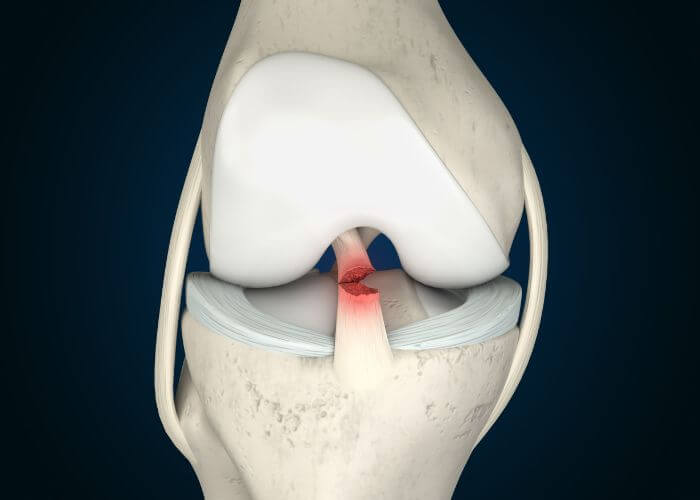
ACL Tear Symptoms
Symptoms often begin immediately after injury. Some patients experience ongoing instability or repeated knee giving-way episodes.
Common ACL tear symptoms include:
- A popping sound or sensation at the time of injury
- Immediate knee swelling
- Knee instability or “giving way”
- Pain when walking or bearing weight
- Reduced range of motion
Symptoms may vary depending on whether the tear is partial or complete
Acute vs Chronic ACL Tear Symptoms:
|
Feature
|
Acute ACL Tear
|
Chronic ACL Injury
|
|---|---|---|
|
Onset
|
Sudden injury during sports or trauma
|
Develops over time after untreated tear
|
|
Swelling
|
Rapid swelling within hours
|
Minimal or intermittent swelling
|
|
Stability
|
Immediate instability
|
Recurrent knee giving-way
|
|
Risk
|
Higher chance of meniscus injury
|
Increased cartilage damage over time
|
What Causes an ACL Tear?
ACL tears commonly occur due to sudden knee stress, sports-related movements, and individual risk factors that affect joint stability.
Diagnosing an ACL Injury
Diagnosis begins with a detailed clinical examination assessing knee stability and motion. MRI is the gold standard for confirming an ACL ligament tear and identifying associated meniscus or cartilage damage.
Diagnosis typically includes:
- Detailed clinical examination
- Specialized knee stability tests
- MRI to confirm the extent of the ACL tear
- X-rays to rule out associated injuries
Accurate diagnosis is crucial to determine the most appropriate ACL tear treatment plan.
When Should You See a Doctor for an ACL Injury?
Recognizing warning signs early and seeking timely evaluation can help prevent further knee instability and long-term joint damage.You should consult an orthopedic specialist if you experience:
Persistent knee instability
Recurrent knee buckling
Swelling that does not improve
Difficulty returning to sports or daily activities
ACL Tear Treatment Options
Treatment for an ACL tear depends on the severity of the injury, knee stability, and individual activity level. Both non-surgical and surgical options are carefully considered to restore function and prevent further damage.
Non-Surgical ACL Tear Treatment
Non-surgical ACL tear treatment may be suitable for:
- Partial tears
- Low-activity individuals
- Stable knees without recurrent instability
Options include:
- Physical therapy
- Knee bracing
- Activity modification
- PRP therapy (when appropriate)
Surgical ACL Injury Treatment
Surgical treatment is often recommended for:
- Complete ACL tears
- Athletes
- Persistent knee instability
The standard procedure is ACL reconstruction surgery, which replaces the torn ligament with a graft.
ACL Tear Recovery & Recovery Time
|
Phase
|
Non-Surgical Recovery
|
Post-Surgical Recovery
|
|---|---|---|
|
Early Phase
|
This phase focuses on reducing knee swelling and restoring basic range of motion. Gentle exercises help control pain and maintain joint mobility without stressing the ligament.
|
Early recovery after surgery emphasizes protected movement to allow healing. Supervised physiotherapy begins to reduce stiffness and activate key muscles safely.
|
|
Strength Phase
|
Progressive strengthening:
Gradual strengthening exercises are introduced to improve muscle support around the knee. This phase helps enhance stability and prepares the knee for higher activity levels.
|
Neuromuscular training:
Neuromuscular training focuses on rebuilding strength, balance, and coordination. Controlled exercises help restore knee control and reduce the risk of re-injury.
|
|
Return to Sport
|
Why Choose Dr. Ahmed Azmy for ACL Injury Treatment?
Trusted by Athletes Across UAE
- Specialized experience in knee injuries
- Advanced diagnostic techniques
- Personalized ACL tear treatment plans
- Minimally invasive surgical options
- Personalized ACL tear treatment plans
Real People. Real Transformations.
“As a runner, I feared the worst. Dr. Azmy restored not just my knee—but my hope.”
– Omar S.
“No unnecessary surgery. Honest, transparent, and caring.”
– Farah D.
Frequently Asked Questions
Can an ACL tear heal without surgery?
Some partial ACL ligament tears may improve with structured rehabilitation and activity modification. Complete ACL tears often result in persistent instability, increasing the risk of meniscus and cartilage damage. Specialist evaluation is essential to determine the safest ACL tear treatment option.
How long does ACL tear recovery take?
ACL tear recovery time depends on treatment method. Non-surgical recovery may take weeks to months, while post-surgical recovery typically requires 6–9 months before full return to sports.
Can I play sports with an ACL tear?
Playing sports with an untreated ACL tear is not recommended. Knee instability increases the risk of further injury. Athletes should undergo proper ACL injury treatment before returning to sport.
Book Your ACL Consultation
If you are experiencing knee instability or pain, book a comprehensive ACL injury assessment with Dr. Ahmed Azmy to receive an accurate diagnosis and personalized treatment plan.
Expert ACL Tear Treatment in Sharjah
Early treatment of an ACL tear improves outcomes and protects long-term knee health. Schedule your consultation today and take the first step toward recovery.
Take the First Step to Recovery
contact us today and start your journey to optimal health and performance.
Location
Sharjah, UAE
Phone
Working Hours
Saturday – Thursday: 9AM – 7PM
Friday : OFF
Thank you — your message was sent.